• Skip to main content
  • Skip to primary sidebar

PHYTOEXTRACTUM

The original banner for Phytoextractum
  • Home
  • Log In
  • Buy Kratom
    • Kratom Powder
    • Kratom Extract
    • Kratom Capsules
    • Kratom Shots
  • FAQ
  • Free Shipping!
  • About Us
  • Discount Codes
  • Free Stuff
  • Resources

kratom

Mississippi Passes HB1077: A Win for Responsible Kratom Vendors

March 11, 2025 by Phyto

If you’re a Kratom fan in Mississippi, we’ve got some good news for you! Mississippi just passed HB1077, the Kratom Consumer Protection Act! This is a huge deal for the kratom industry, especially for those of us who’ve always played by the rules.

For years, we’ve seen two extremes in kratom legislation: either no regulation at all, leading to sketchy gas station products flooding the market, or calls for outright bans, fueled by misinformation. Neither of those scenarios benefit consumers. HB1077 is different. It brings much-needed structure, safety, and accountability to the Mississippi kratom market, ensuring that only legitimate, high-quality products make it into the hands of responsible adults.

Let’s break it all down and talk about why this is a major win for the kratom community—especially for those of us who actually care about doing things the right way.


What HB1077 Means for Kratom in Mississippi

If you’ve been following kratom news for a while, you know that Mississippi has been a battleground state. A ton of organizations, including law enforcement groups, wanted kratom banned outright this session. But instead of prohibition, legislators went with smart regulation, thanks to HB1077.

This bill sets clear, common-sense rules to keep kratom legal and safe. Here’s what it does:

✅ Restricts sales to 21+ – No more concerns about underage access. If you want to buy kratom in Mississippi, you have to be 21 or older, just like with alcohol or tobacco.

✅ Requires proper labeling – Every kratom product must list the manufacturer’s name, address, phone number, and full ingredient list. No more mystery bags with zero transparency!

✅ Sets concentration limits – HB1077 caps 7-hydroxymitragynine at 1%, preventing super-concentrated extracts from muddying the waters. This keeps the market focused on traditional, safe kratom products.

✅ Moves kratom behind the counter – No more kratom casually sitting out in gas stations. It has to be stored behind the counter, ensuring it’s sold responsibly.

✅ Requires product registration – Every kratom product sold in Mississippi must be registered with the state’s Department of Revenue, allowing for better oversight and accountability.

This is exactly the kind of regulation we’ve been pushing for. It keeps kratom legal, protects consumers, and holds vendors to higher standards—which is something we at Phytoextractum have been committed to from day one.

Why This is Great News for Responsible Kratom Vendors

For those of us who actually care about quality, transparency, and consumer safety, HB1077 is fantastic news. Here’s why:

🔹 It weeds out bad actors. No more untested, unregulated kratom products being sold by vendors who don’t care about quality or safety. This helps clean up the industry and ensures that only legitimate businesses remain.

🔹 It builds consumer trust. When people know that the kratom they’re buying is properly labeled, tested, and stored, they can feel confident about their purchase.

🔹 It sets a standard for other states. Mississippi isn’t the only place where kratom is under fire. With HB1077, legislators are proving that smart regulation is a better solution than banning kratom outright—and other states may follow suit.

🔹 It strengthens the kratom community. When states pass regulations like this, it helps separate quality vendors from the companies just trying to make a quick buck. That means a better experience for customers and a more sustainable future for kratom.

For years, we’ve seen misleading headlines painting kratom as some kind of dangerous substance. The reality? Kratom is safe when it’s sourced and sold responsibly. That’s why HB1077 is such a big deal—it protects access while shutting down shady, unregulated sales.

Misinformation Almost Won—But Facts Prevailed

The truth is, HB1077 almost didn’t happen. There was a huge push from law enforcement groups and medical associations to have kratom banned as a Schedule III controlled substance (basically lumping it in with prescription opioids).

Their argument? That kratom is “highly addictive” and “potentially lethal.”

But here’s the thing: science doesn’t support that narrative. Study after study has shown that pure, unadulterated kratom is safe. While bad actors selling tainted products have given kratom a bad name, those of us who prioritize quality and safety know the truth—regulated kratom is safe.

Thankfully, Mississippi lawmakers saw through the misinformation and chose regulation over prohibition. That’s a huge win for everyone.

The Future of Kratom in Mississippi and Beyond

HB1077 is a big step forward, but there’s still work to do. While this bill protects kratom at the state level, some cities and counties in Mississippi still have their own bans in place. That means we need to keep pushing for fair kratom laws everywhere.

But the fact that a majority of Mississippi lawmakers supported this bill is proof that education and advocacy make a difference. If we keep pushing for responsible regulation instead of fear-based bans, we can protect kratom in every state.

At Phytoextractum, we’ve always believed in transparency, safety, and advocacy. That’s why we support legislation like HB1077—and why we’ll keep fighting for responsible kratom policies across the U.S.

Final Thoughts: A Win for Everyone Who Cares About Kratom

Mississippi’s passage of HB1077 proves something we’ve been saying for years: Kratom doesn’t need to be banned—it just needs to be regulated properly.

This law ensures that kratom stays legal, safe, and accessible while keeping bad actors out of the industry. It’s a win for consumers, a win for responsible vendors, and a win for the future of kratom.

At Phytoextractum, we’ll keep doing what we’ve always done—offering the highest-quality kratom, following the best safety practices, and advocating for fair policies that protect access.

Thanks for being part of the journey, and let’s keep pushing for a better, safer future for kratom together. 💚🌿
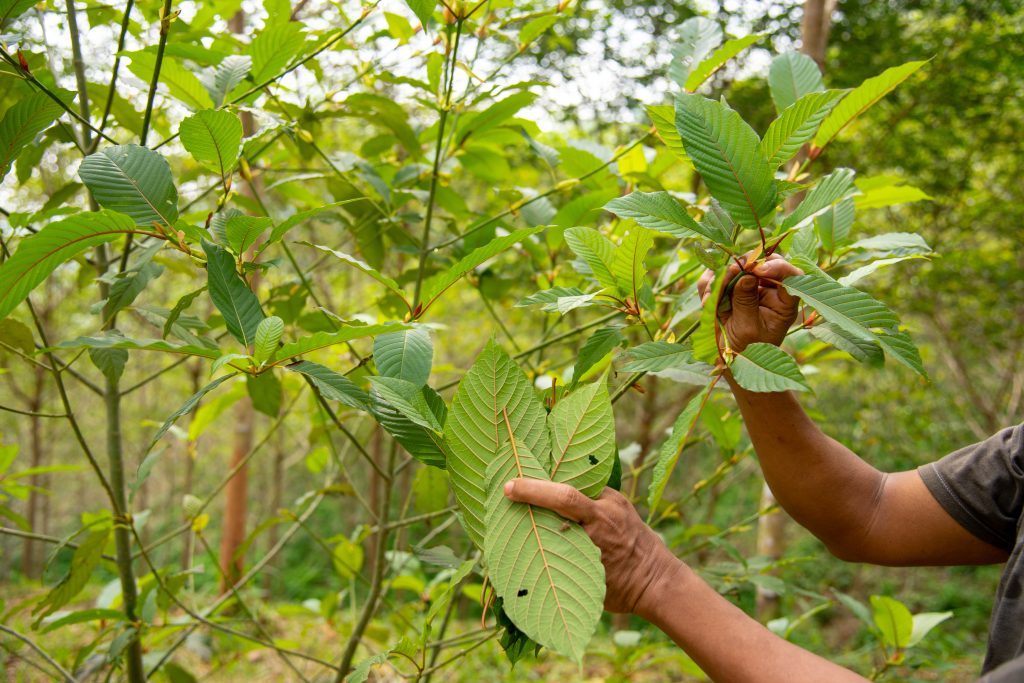

Filed Under: Kratom Tagged With: advocacy, AKA, KCPA, kratom, legislation, regulation

Unveiling Our New Bulk Kratom Offerings

August 9, 2023 by Phyto

Kratom, a timeless herb that has woven its way through centuries to be a part of today’s botanical panorama, continues to garner an ever-widening community of aficionados. And as this community expands and explores the diverse strains and formulations available, the joy of finding that perfect strain is unparalleled. But what’s even better? Having ample quantities of that strain always on hand. With that in mind, we’re thrilled to introduce our new bulk Kratom offerings!

The Perks of Going Bulk with Kratom

The benefits of buying in bulk are plenty, ranging from cost-saving advantages to the sheer convenience of always having your favorite product on hand. Investing in bulk purchases means a reduced per-unit cost, leading to overall savings in the long run. Additionally, it’s environmentally friendlier due to decreased packaging needs and less frequent shipping. Bulk buying not only ensures that you are prepared, but it also spells consistency – there’s a level of confidence and assurance in using the same trusted product over time without the need for frequent reorders.

Unfortunately, in today’s market, many vendors opt to sell Kratom in smaller quantities, aiming to maximize their profit margins. It’s a strategy rooted in the idea of encouraging frequent purchases, often at the cost of higher prices for consumers.

At Phytoextractum, however, we operate on a different ethos. Since our inception in 2005, our foundational principle has always revolved around serving our community. Our longevity in the Kratom business isn’t just a testament to the quality of our products but to our unwavering commitment to our customers. It’s never been about making an extra buck; it’s always been about providing value, integrity, and the best Kratom experience possible.

Introducing Premium Bulk Kratom Powders

We’ve always prided ourselves on bringing the best of Kratom to your doorstep. Now, in our quest to cater to your evolving needs, we’re going a step further by offering Kratom kilos for sale in all your favorite strains. When you choose to invest in a kilo of Kratom from us, it’s not just about quantity; it’s a promise of consistent, top-notch quality that you’ve always associated with Phytoextractum.

For the Capsule Connoisseurs: Bulk Capsules

While the allure of Kratom powder is undeniable, we recognize the sizable section of our community that swears by the convenience capsules offer. Hence, we’re not just stopping at powders. For those who cherish the encapsulated experience, we’re rolling out bulk Kratom capsules. With our 1lb package containing roughly 720 capsules, it’s all about merging the convenience you crave with the value you deserve.

Why Choose Phytoextractum’s Bulk Offerings?

  1. Value for Money: Opting for bulk is more than just getting more product; it’s about enhanced value with every gram or capsule.
  2. Guaranteed Consistency: Our bulk offerings ensure that you’re enjoying the same quality, strain after strain, capsule after capsule.
  3. Think Green: With our bulk offerings, you’re not just making a choice that’s good for you, but for the planet too. Reduced packaging and fewer deliveries lead to a smaller carbon footprint.
  4. Stay Stocked: With our bulk offerings at your disposal, frequent reorders will be a thing of the past. Stay stocked and stress-free.

Final Thoughts

Our expansion into the world of bulk Kratom is a reflection of our unwavering commitment to you, our community. Whether you’ve been with us from the beginning or are just starting your Kratom journey, our bulk offerings promise value, quality, and the authentic Phytoextractum experience. Dive in, and let’s make your Kratom experience bigger and better!

Filed Under: Kratom Tagged With: bulk kratom, kratom, kratom kilos, mitragyna speciosa

A Deep Dive Into Kratom Extraction & How It’s Done

June 5, 2023 by Phyto

Hello, Phyto family! Today, we’re embarking on an exciting journey into the world of Kratom extraction. This process transforms Kratom’s rich, leafy goodness into potent extracts that can be used in a variety of ways. Before we dive in, it’s essential to note that this information is for educational purposes only and is not intended to promote any form of self-extraction.

What is Kratom Extraction?

Kratom extraction is the process of pulling the desired alkaloids out of the raw Kratom leaves. In other words, it’s a method of concentrating the properties of Kratom, resulting in a product known as a Kratom extract. These extracts can come in different forms, including tinctures, oils, and powders.

The Art of Kratom Extraction: An Overview

Extracting Kratom is a meticulous process that requires time, precision, and a clear understanding of chemical interactions. The extraction process involves two primary stages: dissolution and evaporation.

Dissolution

The first step in Kratom extraction is dissolving the alkaloids present in the Kratom leaves. This process is typically achieved by boiling the leaves in a mixture of water and a polar or non-polar solvent such as ethanol or citric acid.

The purpose of this step is to break down the cell walls of the leaves and allow the alkaloids to be released into the solution. The boiling process usually lasts anywhere between one to three hours, depending on the quantity and desired concentration.

Evaporation

After the boiling process, the solution is strained to remove any leftover solid leaf matter, leaving only the liquid. This liquid then undergoes evaporation to remove the solvent used in the dissolution process, leaving behind the alkaloids in a concentrated form.

This process can take several hours to days, depending on the quantity of the liquid and the desired consistency of the extract. Once the liquid has evaporated, the result is a concentrated Kratom extract, which can be further processed into various forms such as tinctures or powders.

Types of Kratom Extracts

There are various types of Kratom extracts, each offering unique characteristics. Let’s briefly explore some of these types:

Resins

Kratom resins are thick, dark substances that are the result of prolonged boiling and evaporation of the Kratom solution. They are often very concentrated and are typically ground up and consumed in small amounts.

Tinctures

Kratom tinctures are liquid extracts that have been further diluted in a base such as alcohol or glycerin. They often come in small bottles with a dropper for easy use.

Powders

Extract powders are produced by drying Kratom extracts into a powder form. They often have a strong aroma and can be mixed with regular Kratom powder or used independently.

Enhanced Leaf

This form of Kratom involves infusing regular Kratom leaves or powder with a Kratom extract. This results in a more concentrated product that contains more alkaloids.

Safety First

While the process of Kratom extraction may seem straightforward, it’s essential to note that working with solvents can be hazardous without proper training and safety measures. As such, this information is provided for educational purposes only and is not meant to encourage home extraction. Always prioritize safety and legality in your botanical adventures.

Final Thoughts

Kratom extraction is a fascinating process that showcases the rich complexity of this botanical. From leaf to extract, it is a journey that requires precision, patience, and a deep appreciation for nature’s gifts. While we encourage knowledge and curiosity, we also remind our Phyto family to always prioritize safety and legality when exploring the world of botanicals.

Filed Under: Kratom Tagged With: alkaloids, kratom, kratom extracts

The Importance of Sustainable Kratom Sourcing & Production

May 18, 2023 by Phyto

The U.S. Kratom industry is booming like never before, fueled by increasing consumer interest and quality-focused production processes. According to one estimate, the U.S. Kratom industry is a massive $1 billion powerhouse that attracts imports from several South-East Asian countries like Indonesia, Thailand, Malaysia, Bali, and so on. 

Kratom is extracted from Mitragyna speciosa, a wild plant belonging to the coffee family. As demand for Kratom surges, farmers in tropical Asia are turning to this “cash crop” for export-oriented opportunities. As the overseas demand for Kratom grows, it fuels deforestation, soil degradation, freshwater wastage, wild animal habitat loss, community dislocations, and countless other problems in this region. Entire ecologies are being endangered by unregulated farming. Not only the local population and communities are threatened, but the entire planet feels the effects of the ecological damage wreaked by unhinged Kratom supply chain practices. 

Sustainable farming is the need of the hour. Sustainable farming is not only essential to preserve the planet and all its inhabitants but also to protect the industry against potential prohibitions that may arise to combat its impact. 

How Sustainable Kratom Farming Protects Biodiversity

There are multiple dimensions to sustainable farming, each offering unique solutions to specific challenges arising from unfettered farming and deforestation. Here are the most common solutions employed by the sustainable farming industry:

  • Agroforestry

Large-scale Kratom farming often entails clearing out huge swathes of forests for cultivation. This destroys local ecosystems, wildlife habitats, and biodiversity. It also contributes to soil erosion and climate change.

By integrating other trees into Kratom farms, soil erosion can be arrested, while allowing wildlife to thrive. In particular, indigenous plants and animal species are safeguarded and preserved, without being entirely driven away to an ever-smaller tract of land.

  • Organic Farming

Chemical fertilizers, pesticides, and insecticides are known to wreak havoc on the delicate ecological balance. The residues often contaminate soil and inflict irreparable damage. Organic farming practices protect soil health while encouraging local biodiversity.

How Sustainable Kratom Processing Conserves Resources

The vast majority of Kratom farms in South-East Asian countries rely on outdated, decades-old agricultural methods to process the Kratom harvest. These methods are highly resource intensive and threaten the availability of resources to other food crops; not to mention their contribution to resource depletion. Innovative and eco-friendly processing methods can help address these problems in the following ways:

  • Energy-efficient Drying

Traditional Kratom drying processes are energy-intensive and produce huge amounts of greenhouse gases. Using solar drying and heat recovery systems can slash down energy consumption and greenhouse gas emissions during Kratom processing.

  • Waste Reduction and Recycling

Kratom processing generates huge quantities of organic waste. However, there are convenient, cheap, and even lucrative waste reduction and recycling options available. For instance, leftover plant material can be repurposed as compost or animal feed.

  • Water Conservation

Kratom processing can utilize large quantities of water and put undue pressure on local freshwater resources. Innovative solutions like rainwater catchment, drip irrigation, low-energy spray irrigation, and so on, can conserve tremendous quantities of freshwater.

How Green Packaging & Can Help Protect The Environment

While Kratom production is largely concentrated in a handful of closely-knit countries in South-East Asia, it is consumed worldwide. Packaging, shipping, and last-mile delivery of Kratom to users worldwide consume enormous amounts of fossil fuel, generate vast quantities of non-recyclable packaging waste, and contribute heavily to greenhouse emissions. Fortunately, several emerging solutions are already addressing these supply chain issues:

  • Eco-friendly Transportation

Electric and hybrid vehicles for transporting processed Kratom can drastically reduce greenhouse emissions, especially when the energy source is clean, such as solar, wind, or hydroelectric power. Advanced algorithms are also being utilized to optimize shipping routes to reduce fuel consumption and thereby reduce greenhouse emissions.

  • Carbon Offsetting

Some aspects of logistics, such as container shipping, have a long way to go before it becomes energy-efficient. However, businesses can invest in carbon offset projects to bring down their carbon footprint.

  • Minimal and Biodegradable Packaging

An overwhelming majority of the plastic is never recycled. Some estimates put recycled plastics at just 10% of the plastic waste. Environmentally-conscious businesses are battling plastic pollution by using biodegradable packaging materials like paper, cardboard, and plant-based materials. Where it’s impossible to use biodegradable packaging, some businesses use minimal packaging to minimize their plastic waste.

How Ethical Business Practices Are Making The Kratom Industry More Sustainable

Sustainable business practices not only focus on ecological footprint but also on local communities. Ethical business practices address the social responsibility of businesses that utilize the resources and hard work of the communities involved in their supply chain. Here are some ways the Kratom industry can engage in ethical business practices:

  • Fair Wages and Humane Working Conditions

Overseas sourcing often gets mired in controversies involving child labor, slave labor, inhumane working conditions, and so on. By enforcing international labor standards throughout the supply chain and insisting suppliers or producers adhere to them, Kratom businesses can ensure that local communities are paid fair, competitive wages, and are not exploited.

  • Support to Local Communities

The local populace, such as small-scale farmers, do not have the resources necessary to market and attract foreign Kratom importers. Therefore, they cannot capitalize on the economic opportunities available to large-scale producers. By sourcing from such small players, Kratom businesses can contribute to their economic prosperity.

Additionally, Kratom businesses can also invest in local community development projects, like healthcare, schools, and transportation. This can inspire loyalty and guarantee a reliable supply of Kratom too.

  • Education and Training

Kratom businesses can educate the local producers on sustainable farming practices and give them access to learning resources to help them learn about innovative farming techniques. The transition will not only help save the environment but also contribute to the social and economic development of local communities.

Bottomline

In conclusion, at Phytoextractum, we believe that sustainable and responsible Kratom practices are of paramount importance. Our commitment is more than just a catchphrase; it’s a core pillar of our mission. We understand the environmental and social implications of Kratom production, which is why we source exclusively from farmers committed to fair trade practices, biodiversity preservation, and sustainable farming techniques. This means each product you purchase from us not only supports your well-being but also contributes towards the betterment of the communities involved in its production and the conservation of the environment. We are proud to be part of the solution, contributing to a sustainable future for both the Kratom industry and our planet.

Filed Under: Kratom Tagged With: american kratom association, environment, fair trade practices, GMP, kratom, sustainability

Introducing Kratom Blends From Phytoextractum

January 4, 2023 by Phyto

After years of hard work and experience working in the Kratom industry, we’re releasing a new type of product for us. Kratom blends and Enhanced Kratom blends are now available for sale from Phytoextractum! We’re super stoked to announce the launch of these 2 new unique Kratom products.

While you may have seen Kratom blends for sale elsewhere on the market, they are new for us. At Phytoextractum, always stuck with our tried and true selection of products, but after careful consideration, we believe these 2 products will fit our catalog perfectly.

The idea with these two new superior Kratom blends was to combine your favorite strains into one consistent product.

But what does that mean exactly?

Well, Kratom blends are mixtures of several Kratom strains that have been carefully measured and blended. The goal of this process is to combine the best qualities from each strain into a single consistent end product. That’s why each one of our blends was specifically designed and calibrated to ensure our customers enjoy these superior and incredible combinations.

Now, if you’re new to Kratom, understanding the difference between Kratom strains, blends, and all the different products available on the market might feel a little bit daunting!

That’s why, in this article, we’ve highlighted what Kratom strains are before explaining what makes our two new blends so special.

What Are Kratom Strains?

Kratom is an herbal extract from Mitragyna speciosa, a tropical evergreen tree in the coffee family. This tree is native to Southeast Asia. More specifically, it’s indigenous to Malaysia, Thailand, Indonesia, Papua New Guinea, and Myanmar. People in these countries have been using it as herbal aid for centuries.

Now, contrary to common belief, Kratom strains don’t refer to different species of Mitragyna speciosa. In fact, all Kratom products, whether white, green, or red, and whether from Thailand, Malaysia, or Indonesia, are derived from this one species. However, each plant has its own chemical compounds based on geography and local climate. These chemical compounds are called alkaloids. And it’s the difference in alkaloids or chemical composition that creates so many different Kratom strains.

But that’s not all. The age of the leaves when harvested also impacts the chemical composition and, therefore, strain. For instance, if the leaf is harvested while young, it will exhibit white veins, and the Kratom strain produced from these leaves will then be classified as a ‘’white vein’’ strain. Leaves harvested from maturing plants will exhibit green veins producing a Kratom strain classified as a green vein strain. Lastly, leaves harvested from fully maturing plants will show red veins, creating a Kratom strain classified as a red vein strain.

What Is So Special About Our Two Kratom Blends?

Kratom Powder Blend

Our standard Kratom blend is made of our most popular strains, including green, yellow, and red veins. This unique Kratom product is made with a proprietary blending process that ensures a smooth and consistent end product.

Each strain used in our Kratom blend is produced in small batches, maintaining the consistent quality you’ve grown to expect. If you’re looking for something new to try, this product may be just what you’re looking for. It offers a little bit of all of our most popular products, all combined into 1!

Enhanced Blended Kratom Powder 

Our Enhanced Kratom Blend is made by taking the above mixture of popular Kratom strains and adding a proprietary extract as the final ingredient. This product is suitable for people who enjoy Kratom extracts and are looking for something new.

Standardized to contain 5% alkaloids per serving, our Enhanced Kratom blend will not disappoint. Made using a small batch process, this Kratom blend benefits from the same quality assurance standards you will find with the rest of our products.

If you’re a fan of Kratom extracts and you’re looking for something new, we think you’ll enjoy our Enhanced Kratom Blend!

Ready To Try Our New Blends?

At Phytoextractum, we make it our mission to invest the time, effort, and money to create superior Kratom products for our customers. We are always looking for ways to improve our existing catalog to cater to our customers. As always, our products are lab tested to ensure there is no contamination.

In the meantime, don’t hesitate to get in touch should you have any questions about these new Kratom blends or any of our other Kratom products!

Filed Under: Kratom Tagged With: education, kratom, kratom blend, kratom extract, kratom powder, Kratom strains

Honey Sticks & Their Sweet Origin (Plus New Kratom Honey!)

October 31, 2022 by Phyto

Everyone is familiar with honey, but what do you really know about this sweet, sticky substance?

Honey comes from bees; that much is obvious. But how (and why) exactly do bees put time into creating this nutritious, delicious food? There’s a lot to learn about honey and the many different types of honey that you can enjoy.

Honey sticks are one of the easiest ways to try honey, and we’ve launched our own honey sticks (packed with kratom, of course) that you can order today. Let’s learn more about this sweetener so you can get a taste of what our honey sticks are made of.

All About Honey

What is honey?

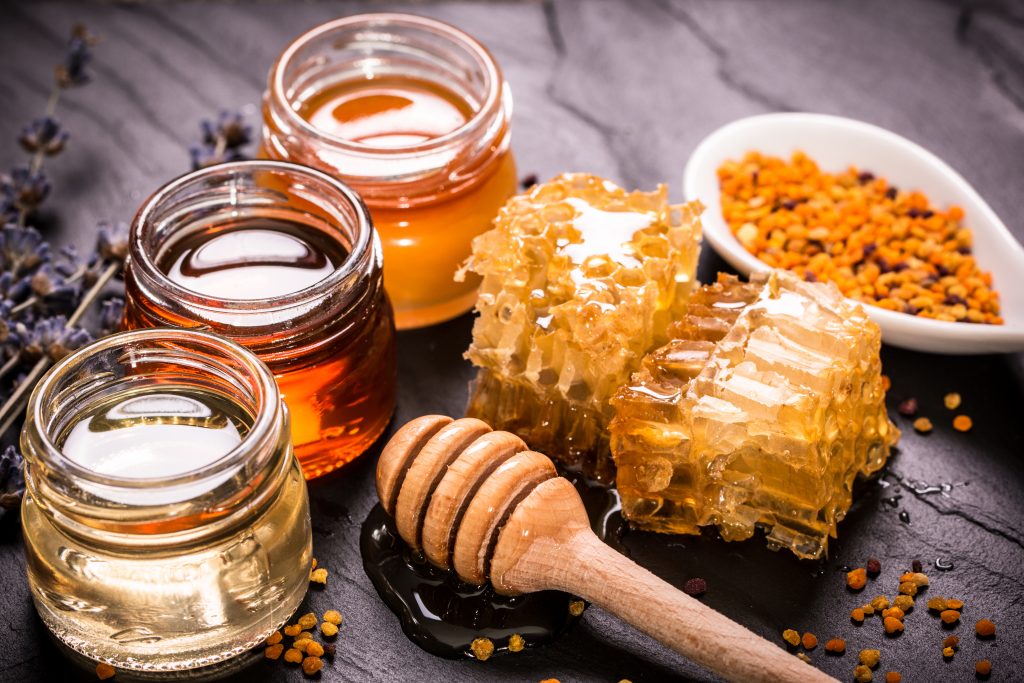
Honey is a sweet food that is usually found as a thick liquid. Honey bees make honey by gathering nectar from flowers and other plants. After pollination, the nectar gathered goes through a process inside the beehive before it is stored as a future resource by the bees.

The natural variation in plants causes the variation found in honey. The nectars produced by plants have varying sugar, mineral, and organic compound contents. The honey created by a bee’s hives is very dependent on what type of nectar is gathered.

Why Honey is Made

Why exactly do bees make honey? Do they make it just for humans like us to enjoy?

Of course not!

Honey bees gather nectar to create honey as a food source to help the hive’s health and ability to survive difficult seasons like winter. The daily food source of bees in favorable seasons is actually pollen from the same plants they gather nectar from. 

Pollen is an immediate food source for honey bees and even helps them grow a larger brood. The bees have pollen baskets on their legs which help with pollen collection; nectar is added to the pollen to help compact it for easier transport.

When nectar is brought back to the hive, honey bees add enzymes which cause a shift in the nectar’s chemical composition. As dehydration occurs, the water content reduces, and honey forms.

Different Colors of Honey

If you’ve ever bought honey at the grocery store or a farmer’s market, you’ve probably noticed that the color of honey can vary. In fact, there are seven official color categories used by the U.S. Department of Agriculture to classify honey.

These seven categories are:

  • • Water white
  • • Extra white
  • • White
  • • Extra light amber
  • • Light amber
  • • Amber
  • • Dark amber

“White” honey may seem confusing as there isn’t any honey that is truly white in color. Rather, this designation means that the honey is transparent or very near so.

What exactly do these designations mean, and why are there different honey colors at all?

The color of honey is inconsistent because the pollens and nectars collected by bees vary. Different plants lead to different colored kinds of honey, and one hive can even produce varying colors of honey depending on the season or crop availability in the area.

If you want to get more technical about it, the variation of color can be somewhat attributed to the mineral content of the flower source. Magnesium, sodium, copper, iron, calcium, potassium, surfer, and manganese can all influence the color of honey.

Flavors of Honey

Do the flavors of honey vary alongside its color?

Yes, it can vary. Often, the two vary in similar and expected ways once you learn that lighter honey is more mild and darker kinds of honey have richer, stronger flavors. Of course, there are always going to be some exceptions to this rule. For instance, bees that collect pollen and nectar from tulips create deep-colored honey that has a very mild taste.

Some types of honey are more popular (and common) than others. These are some types of honey you likely come across while shopping:

  • • Blueberry honey: light amber honey with a rounded, full flavor.
  • • Clover honey: among the most popular in the US; mild tasting
  • • Wildflower honey: used for varieties made from miscellaneous or undefined plants

Honey Changes Color

Did you know that honey can change color over time?

No matter what color honey is initially, it is likely that the color will darken over time or when heated. This is natural and normal, but it can confuse your understanding of whether these actions always cause variation in honey’s color. However, we’ve already shown how honey simply comes in many color and flavor varieties!

Just Launched: Phytoextractum’s Honey Sticks

You might wonder why we’re excited to share so much about honey in this blog post, and that’s because we’re excited!

Here at Phytoextractum, we’ve just launched a new product that we know our kratom fans might love: Kratom Honey Sticks.

Kratom honey sticks are a simple, easy way to enjoy kratom. Each stick contains 25mg of mitragynine, and the packaging is as convenient as one might expect from honey sticks. We’ve made sure to introduce a product that might surprise you in both its usefulness and uniqueness.

Enjoying Our Honey Sticks

Our customers have shared that it’s easy to enjoy these honey sticks. The sticks simplify kratom for many and can be eaten directly. Mixing the sticks into your favorite drink or even your kratom tea is also easy – the possibilities are only limited by your imagination. Consider how you like using honey or sweetener and see if kratom honey sticks would work in those applications.

High-quality Service, High-quality Products

As always, we want to remind our customers how important it is to ensure they purchase their kratom and kratom-related products from high-quality vendors. Contamination is a serious risk, and you want to be sure to purchase from vendors with your safety in mind.

We were one of the first American Kratom Association members to qualify for Good Manufacturing Practices certification. We test all products for accurate identification, alkaloid content, heavy metals, and microbial safety. If you have questions about our testing processes, contact us at any time. Every good vendor should be ready and willing to answer these questions; we know we are!

Buy Kratom online at Phytoextractum

Filed Under: Guide, Kratom Tagged With: buy direct, buy local, honey, honey sticks, kratom

  • « Go to Previous Page
  • Go to page 1
  • Go to page 2
  • Go to page 3
  • Go to page 4
  • Interim pages omitted …
  • Go to page 10
  • Go to Next Page »

Primary Sidebar

Latest Resources

  • Kratom Near Me? Why Online Beats Your Local Shop
  • Kratom Laws in 2026: Your State-by-State Guide
  • 20 Years of Trust: Phytoextractum’s Journey
  • HHS Bans 7OH: A Win for Safe, Natural Kratom
  • Last Chance: Louisiana Kratom Ban on 8/1

Resource Categories

  • CBD
  • Guide
  • Kava
  • Kratom
  • Mushrooms

Search Resources

QUICK LINKS

    • Home
    • Discount Coupons
    • Bitcoin
    • FAQ
    • Affiliates


INFORMATION

    • About Us
    • Sitemap
    • Lab Testing
    • COD
    • Customer Rewards


CUSTOMER SERVICE

  • Contact Us
  • Shipping & Returns
  • Privacy Policy
  • Terms & condition
  • My Account
Bitcoin logo

© 2023 Phytoextractum - Resources. All Rights Reserved.